
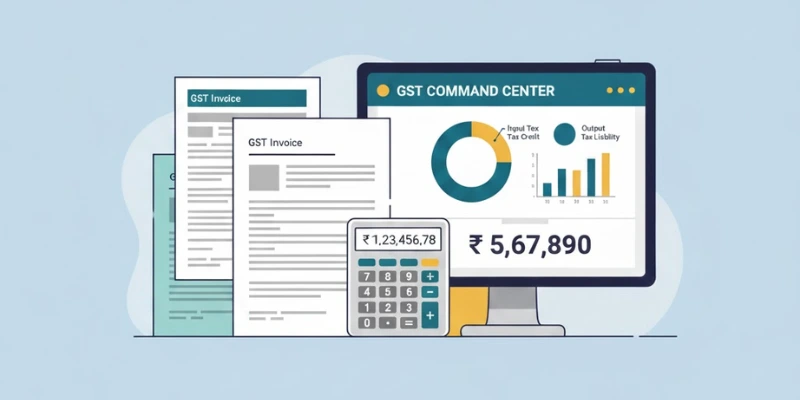
Understanding how GST works is essential for anyone aiming to build a career in accounting, taxation, or finance. Beginners often feel confused about registration steps, return filing, and compliance timelines, which can affect confidence during interviews or real work scenarios. Learning these fundamentals early helps avoid common mistakes and builds a strong professional base. Many learners begin this journey through GST Course in Trichy, where the focus is on understanding practical compliance rather than memorizing rules.
Understanding the Purpose of GST
Goods and Services Tax was introduced to create a unified tax system across India. It replaced multiple indirect taxes with a single structure, making taxation more transparent. For businesses, GST simplifies tax calculation and reduces cascading effects. For professionals, understanding its purpose helps explain why GST exists and how it impacts pricing, invoicing, and business decisions in day-to-day operations.
Who Needs to Register Under GST
GST registration is mandatory for businesses crossing a specified turnover limit, as well as for certain categories regardless of turnover. These include inter-state suppliers, e-commerce sellers, and service providers in specific sectors. Knowing who must register is important for advising clients correctly and avoiding penalties. This topic often appears in interviews because it tests both legal awareness and practical understanding.
Types of GST Returns and Their Purpose
GST returns report sales, purchases, tax collected, and tax paid. Different returns apply to regular taxpayers, composition dealers, and input service distributors. Each return serves a specific compliance purpose. Professionals working with accounting systems often connect return filing with bookkeeping accuracy, which is why knowledge gained alongside Tally Course in Trichy helps bridge accounting data with GST reporting requirements.
The GST Registration Process Explained
GST registration is completed online through the official portal. Applicants must provide business details, PAN, bank information, and address proof. After verification, a GSTIN is issued. Understanding each step helps beginners guide businesses accurately and troubleshoot common registration issues. Practical exposure to data entry and document validation builds confidence in handling real client cases.
Filing GST Returns Without Errors
Accurate filing requires matching invoices, verifying input tax credit, and meeting deadlines. Small mistakes can lead to notices or blocked credits. Beginners must understand how data flows from purchase records to final returns. This practical clarity is valuable in real job roles, especially for learners exploring GST Training in Erode, where local business compliance needs reflect real market expectations.
Common GST Compliance Challenges
Businesses often struggle with missed deadlines, incorrect classifications, and mismatched invoices. Professionals must identify these issues early and correct them systematically. Understanding common challenges helps beginners think like problem-solvers rather than data operators. This mindset is especially useful during interviews, where scenario-based GST questions are frequently asked.
GST registration and filing are not just compliance tasks but essential skills for finance professionals. As businesses continue to rely on structured tax reporting, professionals who understand GST workflows remain in demand. Building future-ready skills means combining taxation knowledge with accounting systems, and exposure aligned with Tally Course in Erode helps learners stay relevant in evolving finance and compliance roles.
Also Check: What is GST? and Types of GST