
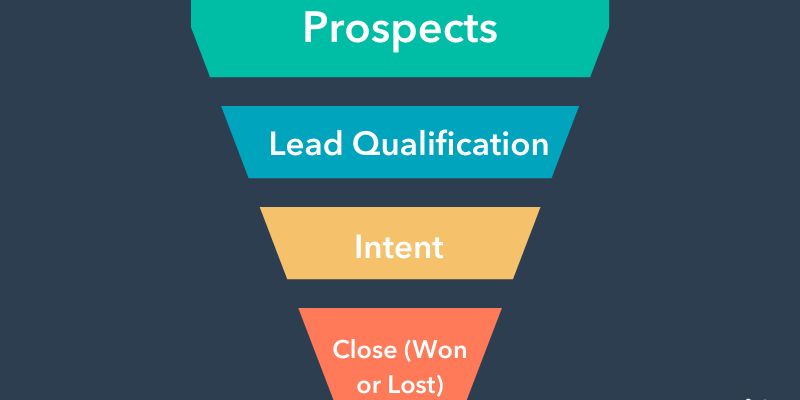
Businesses cannot depend on haphazard marketing initiatives to produce steady revenue in today’s cutthroat digital environment. Rather, they require an organized framework that directs prospective buyers from brand discovery to purchase. We call this system a sales funnel. Customers’ journey from first becoming aware of a product or service to making a final purchase decision is represented by a sales funnel. Funnels are used by businesses to draw in the appropriate audience, establish credibility, and progressively convert prospects into paying clients.
Many businesses lose out on potential leads before they even realize how valuable the product is if they don’t have a well-designed funnel. Businesses may enhance client engagement, boost conversions, and generate steady revenue growth by developing an efficient sales funnel. For entrepreneurs, marketers, and online companies hoping to expand sustainably, knowing how to create and optimize a funnel is crucial. FITA Academy offers specialized sales training programs that help individuals and teams develop strong skills in sales strategies, lead generation, customer relationship management, and conversion optimization, enabling them to effectively attract prospects, close deals, and drive consistent business growth.
Understanding What a Sales Funnel Is
A sales funnel is a marketing architecture that illustrates the phases consumers go through prior to making a purchase. A common representation of the funnel is a large aperture at the top that progressively gets smaller as it descends. At the top of the funnel, a lot of consumers learn about a business from commercials, social media, and search engines. Only a small percentage of prospects stay in contact with the company as they proceed down the funnel.
They may peruse product pages, read blog posts, or sign up for a newsletter. A smaller group eventually makes the decision to buy when they get to the bottom of the funnel. Providing prospects with the appropriate information and incentives at each level is the goal of a sales funnel. Businesses can develop focused marketing strategies that encourage potential clients to make a purchase choice by comprehending this process.
The Key Stages of a Sales Funnel
The majority of sales funnels adhere to the AIDA (Awareness, Interest, Decision, and Action) organized paradigm. Potential consumers initially become aware of a brand during the awareness stage thanks to advertisements, blog entries, and social media posts. At this point, the only objectives are to draw in customers and highlight the benefits of the commodity or service. Prospects start investigating and interacting with the brand’s content during the Interest stage. To learn more, they might download resources, watch movies, or read articles. Sales Training in Chennai provides practical programs that help individuals develop strong sales strategies, communication skills, lead generation techniques, and customer relationship management abilities, preparing professionals to confidently close deals and succeed in competitive business environments.
Potential buyers weigh their alternatives and contemplate making a purchase during the decision stage. During this phase, companies frequently provide free trials, product comparisons, and testimonials. Ultimately, the prospect completes a transaction to become a paying client during the Action stage. A great funnel makes sure that each step offers pertinent information that inspires potential customers to proceed.
Identifying and Understanding Your Target Audience
Prior to creating a sales funnel, companies need to identify their target market. It’s easier to make sure your marketing efforts reach the correct individuals when you know who your target consumers are. Researching consumer demographics, interests, behaviors, and pain areas is part of this process. For instance, a business that sells productivity software might target remote workers and entrepreneurs who wish to enhance their time management skills. Marketers may craft messages that connect with their audience by recognizing these demands.
For this step, customer personas are a useful tool. Based on actual data and study, a persona is a fictionalized representation of an ideal client. It contains information about things like age, profession, difficulties, and reasons for making purchases. Businesses can create marketing efforts that draw in relevant prospects rather than squandering money on uninterested audiences when they have a thorough understanding of their target market. In the end, a more effective and lucrative sales funnel results from a well-defined audience profile.
Step-by-Step Process to Build a Sales Funnel
Attracting potential clients with insightful content and focused marketing initiatives is the first step in creating a successful sales funnel. To increase website traffic, businesses frequently use blog entries, social media content, SEO, and ads. Offering something worthwhile, like a free ebook, webinar, or membership to an email newsletter, is the next stage in obtaining leads. Businesses use email sequences, informative content, and educational materials to nurture leads after they are obtained. B School in Chennai can significantly boost your career readiness and employability by enhancing your sales strategies, communication skills, customer relationship management abilities, and your capability to effectively generate leads and close deals in competitive business environments.
This phase establishes credibility and shows proficiency in resolving the client’s issue. Following lead nurturing, the funnel advances prospects to the point of purchase by offering attractive deals, product demos, or time-limited discounts. Lastly, companies should keep interacting with clients even after they have made a purchase by providing first-rate assistance, loyalty plans, or follow-up correspondence. Customers become devoted brand ambassadors as a result of this post-purchase interaction, which promotes repeat business.
Tools and Platforms for Managing Sales Funnels
Building and managing sales funnels is now simpler than ever thanks to modern digital marketing solutions. Platforms for customer relationship management (CRM) assist companies in tracking leads and keeping an eye on interactions at every stage of the funnel. Businesses can use email marketing tools to send automated communications that nurture prospects with tailored content. By offering optimized sites intended to turn visitors into leads, landing page builders also play a crucial part in the construction of funnels.
Certain actions, such sending a follow-up email after someone downloads a material, can be triggered by marketing automation software depending on user behavior. By monitoring indicators like conversion rates, website traffic, and customer interaction, analytics solutions assist firms in assessing funnel success. Marketers can automate tedious operations and concentrate on enhancing strategy and client connections by integrating these solutions. Businesses can build effective funnels that run smoothly and reliably produce new leads and sales with the correct tools.
Strategies to Optimize Conversion Rates
Making a sales funnel is just the first step; to get the best results, ongoing tweaking is required. A/B testing various landing page iterations is a useful tactic. Businesses may find out which variations result in the best conversions by testing with different headlines, graphics, and call-to-action buttons. Increasing the message’s clarity is another crucial tactic. These are some essential sales skills. When customers can clearly see how a solution solves their problem, they are more likely to take action. Additionally, social proof has a significant impact on conversion rates.
Customer evaluations, case studies, and testimonials increase trust and reassure potential customers of the product’s worth. Additionally, conversion rates can be greatly increased by lowering friction in the purchasing process. A better client experience can be achieved by streamlining checkout forms, providing a variety of payment choices, and guaranteeing quick website performance. A sales funnel’s long-term effectiveness is guaranteed by ongoing research and development.
Common Sales Funnel Mistakes to Avoid
Due to preventable errors made throughout the design phase, many companies have trouble with sales funnels. Attempting to offer a product too soon without first establishing trust is one frequent mistake. Before they feel comfortable making a purchase, customers frequently need some time to research about a brand. Targeting an audience that is too large is another error that leads to poor conversions and low-quality leads. Companies should concentrate on drawing in customers who are actually interested in what they have to offer.
Another problem that impacts funnel performance is poor communication. Potential clients may become perplexed and completely exit the funnel if the messaging is ambiguous or contradictory. Additionally, companies are unable to detect weak places in the client journey when funnel analytics are not tracked. Businesses may prevent these errors and develop more successful marketing strategies by routinely evaluating data and refining each level of the funnel.
Real-World Examples of Successful Sales Funnels
Well-designed sales funnels are a common tool used by prosperous firms to expand. For instance, instructive blog postings and social media material could draw in visitors for an online course creator. In return for their email addresses, these visitors are then asked to download a free handbook pertaining to the course topic. They receive a series of beneficial emails with more advice and insights after subscribing.
The premium course is gradually introduced as a deeper learning option in this series of emails. Subscribers already have faith in the creator and are aware of the course’s worth by the time they receive the final offer. By providing discount codes to new customers, sending follow-up emails for abandoned carts, and suggesting relevant products following a purchase, e-commerce companies also make good use of funnels. These tactics boost total income and client retention while assisting customers throughout the purchasing process.
Final Report
One of the most crucial tactics for contemporary companies hoping to grow steadily is creating an efficient sales funnel. A well-designed funnel offers an organized route that leads potential clients from awareness to purchase rather than depending on haphazard marketing strategies. Businesses may greatly increase their conversion rates by comprehending the steps of the funnel, selecting the appropriate audience, and providing insightful content at each level. Maintaining regular connection with prospects and streamlining the process are further benefits of using marketing tools and automation platforms.
To guarantee long-term success, companies must simultaneously constantly evaluate performance data and refine their funnels. When used properly, a sales funnel not only boosts revenue but also creates enduring connections with clients. Gaining proficiency in creating sales funnels can give companies looking for long-term success a big advantage in a cutthroat online market.